
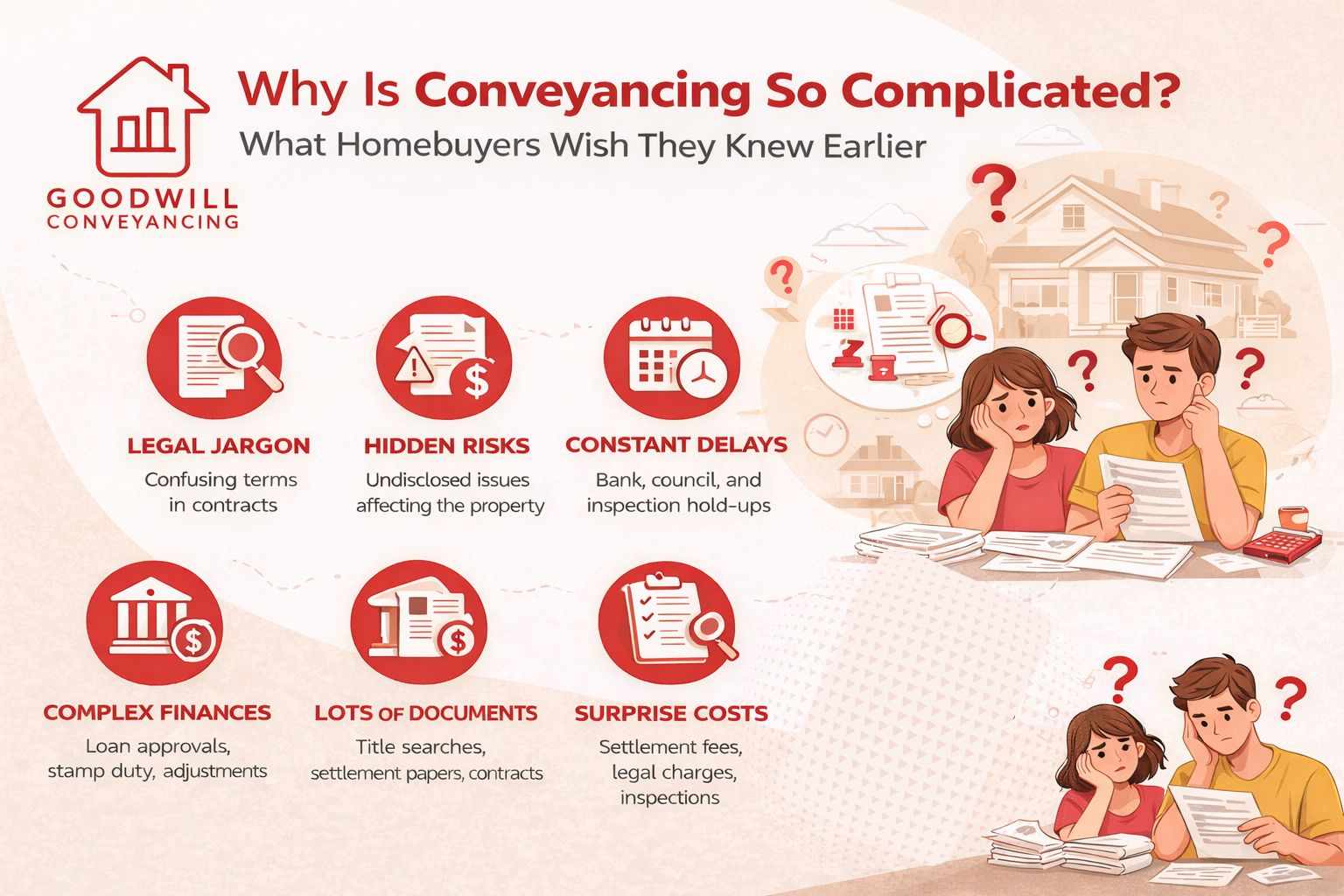
Buying a house is supposed to be exciting. But let’s be honest — conveyancing buying a house in Melbourne can feel like trying to read a contract in another language. According to the Australian Institute of Conveyancers, over 40% of buyers don’t fully understand the legal documents they sign (source: aicvic.com.au). I think the real number is even higher. People nod along, scared to ask questions, and regret it later.
Here’s my take on why conveyancing seems confusing, and the 10 things Melbourne buyers usually wish someone had told them.
Why Conveyancing Feels So Hard
Let’s be real. Conveyancing isn’t inherently tricky. It’s just full of:
Legal terms nobody understands
Strict deadlines you can’t ignore
Hidden clauses that bite you later
Agents are pushing you to sign quickly
It’s like trying to cook a fancy recipe without knowing the ingredients or the oven settings. Most mistakes happen because buyers don’t get clear guidance early.
10 Things Melbourne Buyers Wish They Knew Earlier
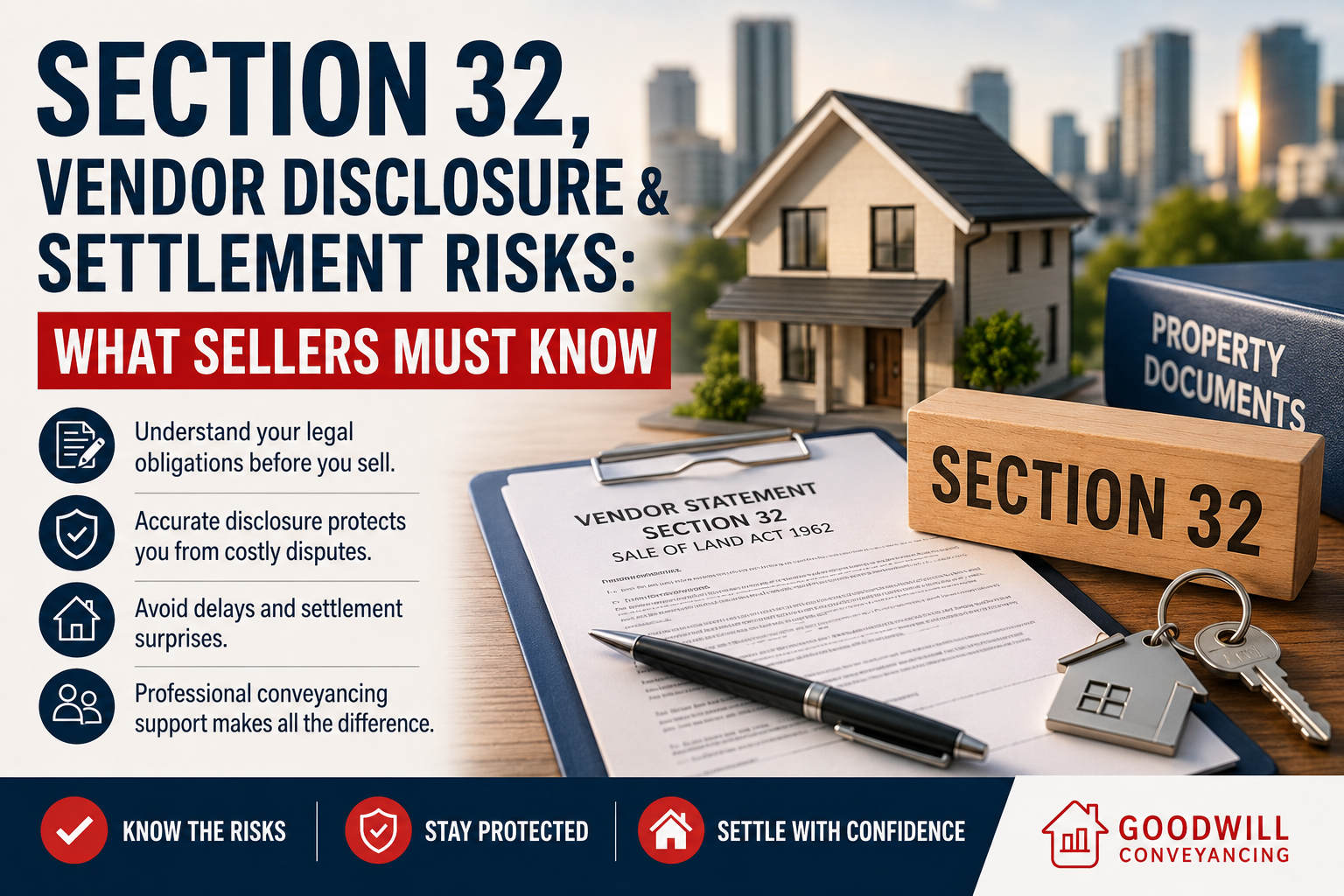
1. Section 32 Is Not Just Paperwork — It’s the Full Story
Everyone skips it, but Section 32 is basically the property’s “health report.”
It shows:
Easements and boundaries
Planning restrictions
Outstanding rates
Any legal surprises
What works: Have a conveyancer go through it with you.
What fails: Trusting the agent’s reassurance that “it’s all fine.”
Personal opinion: Skipping Section 32 is like buying a car without checking the logbook — risky and expensive.
2. Cooling-Off Isn’t a Magic Safety Net
In Victoria, you usually get 3 business days to cool off. But it doesn’t cover auctions or contracts prepared by a conveyancer.
What works: Know your rights before signing.
What fails: Assuming you can back out anytime.
Personal opinion: I’d rather take 10 minutes to clarify than regret thousands later.
3. Finance Clauses Can Save You Big Trouble
Without a finance clause, you’re at risk if your loan gets rejected. Banks move slowly. Sellers don’t care about your stress.
What works: Include a clear finance clause with time to get approvals.
What fails: Rushing to sign because “the property won’t wait.”
Personal opinion: Always protect yourself with a clause — it’s cheap insurance.
4. Property Searches Reveal What Photos Don’t
These checks uncover:
Flood or bushfire risks
Heritage overlays
Proposed infrastructure
Illegal additions
What works: Always get a conveyancer to run searches.
What fails: Assuming “it looks fine, it must be fine.”
Personal opinion: Searches are cheap compared to the shock of buying a house with nasty hidden surprises.
5. Settlement Is Like a Relay Race
Settlement involves: banks, conveyancers, vendors, and the government. One late signature can mess everything up.
What works: Hire a conveyancer who keeps everyone on track.
What fails: Leaving all communication to the agent or bank.
Personal opinion: A smooth settlement feels like a stress-free win — it’s worth investing in someone reliable.
6. Contract Conditions Can Be Sneaky
Contracts can have clauses like:
“As-is” conditions
Buyer pays penalties
Responsibility for disputes
What works: Read contracts carefully with a conveyancer.
What fails: Skimming or assuming standard clauses protect you.
Personal opinion: I always tell clients, “If something feels weird, it probably is.”
7. A Good Conveyancer Talks Like a Normal Person
Most buyers complain they get “legal gobbledygook.” A proper conveyancer:
Explains in plain English
Answers your questions
Gives timelines
What works: Ask questions and don’t be shy.
What fails: Hiring someone cheap who barely communicates.
Personal opinion: Clear communication is worth more than any money saved.
8. Delays Happen — Always Plan for Them
Banks, councils, and PEXA platforms can slow you down. Even one missing document can push the settlement back.
What works: Stay organised and keep your conveyancer informed.
What fails: Assuming “it’ll happen on time.”
Personal opinion: Expect delays — it keeps you calmer when they happen.
9. Cheap Conveyancing Usually Ends Up Costing More
Low-cost conveyancers might:
Rush the contract
Miss risks
Offer minimal communication
What works: Choose someone experienced and local.
What fails: Going for the cheapest quote.
Personal opinion: Paying a bit more upfront avoids thousands in stress and penalties.
10. A Skilled Conveyancer Cuts Stress Like Nothing Else
A good conveyancer:
Flags risks early
Handles the tricky paperwork
Coordinates with banks and agents
Explains everything clearly
Personal opinion: They aren’t magic — but they save you headaches, stress, and money. That’s priceless for Melbourne buyers.
Comparison Table: With vs Without a Conveyancer

Conclusion
Conveyancing isn’t inherently confusing. The problem is a lack of clear guidance.
Most mistakes happen because buyers don’t ask questions, skim contracts, or assume the agent will fix everything.
Goodwill Conveyancing makes it simple. They explain, check, and manage settlement so buyers can focus on the excitement — not stress.
Personal opinion: A solid conveyancer is the difference between a smooth move and a nightmare. Don’t cut corners here.
FAQs
1. Why do Melbourne buyers find conveyancing confusing?
It’s all the legal jargon, strict deadlines, and hidden clauses. Trying alone usually fails. Getting a good conveyancer works wonders.
2. What do buyers wish they knew first?
Review contracts early. Skipping this step usually causes stress and unexpected costs. Personal tip: never sign blind.
3. What slows down the process most?
Banks, councils, missing documents. Organising everything early usually works; waiting until the last minute usually fails.
4. How can a conveyancer help?
They explain, check contracts, manage communication, and keep things moving. Cheap or silent conveyancers fail at this.
5. Biggest mistake first-time buyers make?
Not asking questions. Assuming “everything is standard” usually ends badly. Speak up, it’s your money and home.



Write a comment ...