
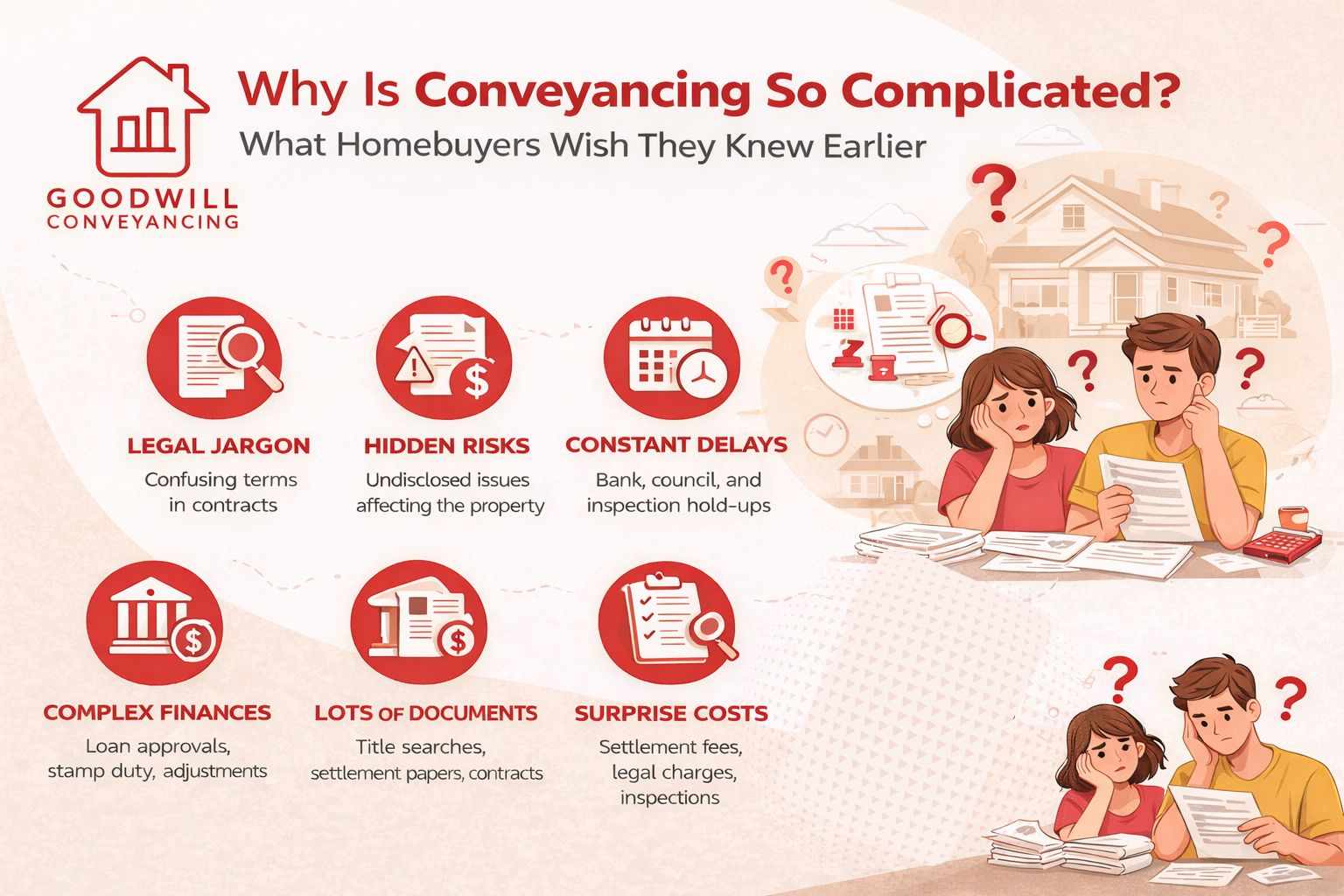
Conveyancing is one of the most important parts of any property transaction in Victoria, yet many homeowners and buyers still feel confused about the process, fees, and legal requirements. Whether you’re purchasing your first home or preparing to sell your property, having a clear understanding of how conveyancing works can save time, money, and stress. Many sellers, especially, feel overwhelmed when navigating conveyancing for selling a house in Melbourne, because the legal paperwork, contract obligations, and settlement rules can be complex. This complete 2025 conveyancing guide in Victoria breaks down everything you need to know — costs, timelines, digital settlement updates, and the step-by-step process for buyers and sellers in Victoria.
1. How Much Does Conveyancing Cost in Victoria? 2025 Fees, Inclusions & Hidden Charges
Conveyancing fees in Victoria vary based on experience, service scope, and the complexity of the property. In 2025, the average pricing falls into three categories:
Average Conveyancing Fees in Victoria
Standard residential purchase/sale: $900 — $1,800
Off-the-plan: $1,200 — $2,200
Property transfers between family members: $500 — $1,200
Complex properties or commercial transactions: $2,000+
What’s Included?
Contract review
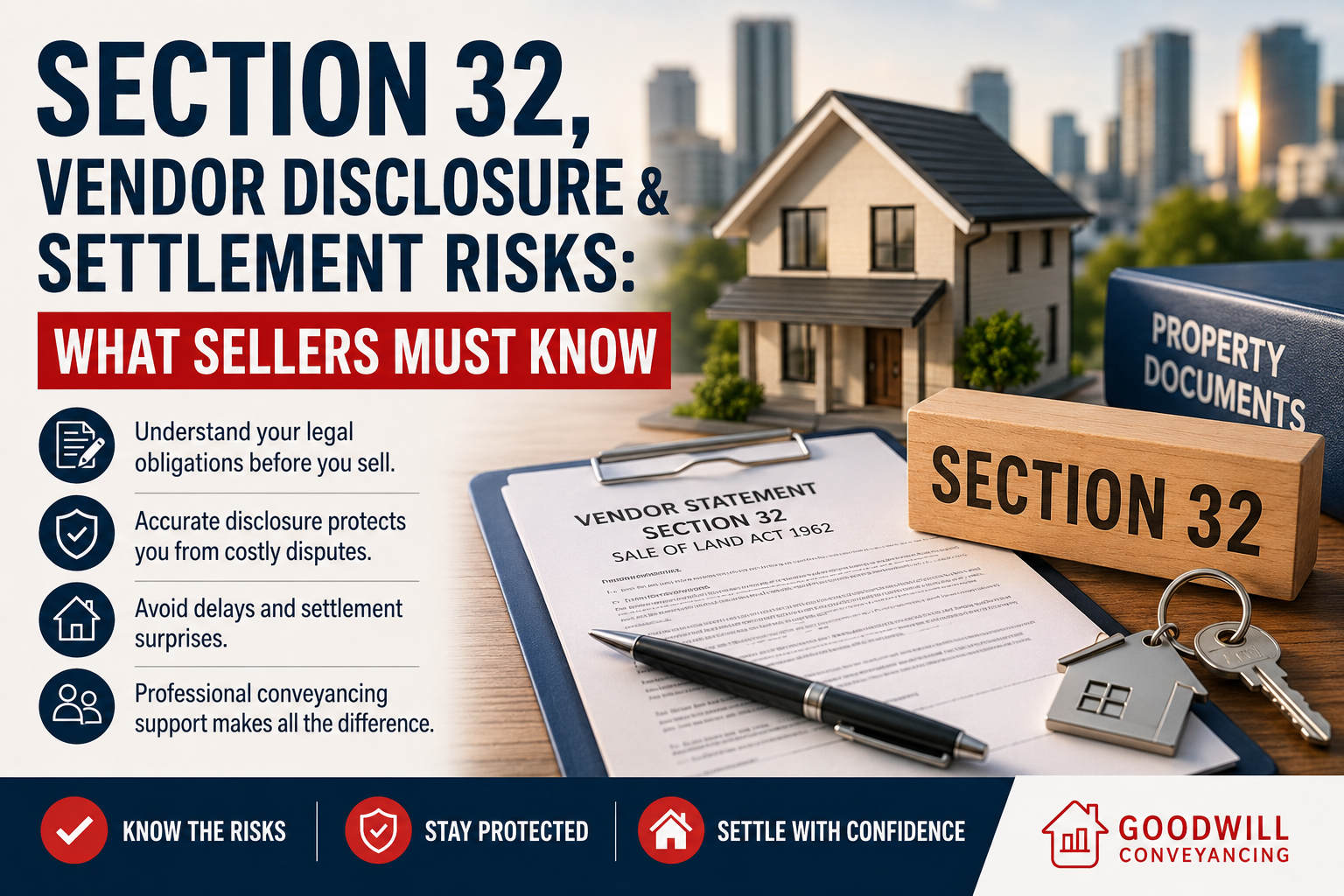
Vendor Section 32 statement preparation
Title search
Property certificates
PEXA settlement fees
Legal checks and advice
Possible Hidden Costs
Urgent contract turnaround fees
Additional contract revisions
Extra certificates for unusual properties
Disbursements (varies by council and property type)
Understanding these fees helps you avoid unexpected charges and choose the right conveyancing structure.
2. Fixed-Fee vs Hourly Conveyancer in Victoria: Which One Saves You More?
In 2025, more firms will offer fixed-fee conveyancing due to transparency and better client satisfaction.
Fixed-Fee Conveyancing Advantages
Clear upfront pricing
No unexpected charges
Ideal for standard property sales and purchases
Hourly Pricing Advantages
Good for highly complex properties
Charges only for actual time used
Which One Should You Choose?
For most Victorian buyers and sellers, fixed-fee offers better predictability. Hourly billing is suitable only when the transaction involves disputes, title issues, trusts, or large developments.
3. Understanding the Conveyancing Process in Victoria: Step-by-Step for Buyers & Sellers
For Buyers
Contract review
Section 32 examination
Negotiations
Signing the contract
Cooling-off period
Property inspections
Preparing for settlement
Digital (PEXA) settlement
For Sellers
Preparing Section 32
Drafting the contract
Negotiations with the buyer
Exchange of contracts
Bank payout figure (if mortgage exists)
Coordinating settlement
Finalizing the transfer of title
A qualified conveyancer ensures every legal step is completed accurately and on time.
4. PEXA and Digital Settlements in Victoria: How Property Transfers Work Online
Victoria has fully embraced electronic conveyancing through PEXA, making settlements faster and more secure.
Benefits of Digital Settlements
No need for physical meetings
Instant title transfer
Faster bank discharges
Reduced chance of human error
By 2025, more than 95% of Victorian settlements will take place online, making the process efficient and transparent for everyone involved.
5. First Home Buyer Conveyancing in Victoria: What to Expect Before You Sign
First-time buyers face unique challenges, including:
Understanding grants and concessions
Navigating loan approval timelines
Interpreting complex contract terms
Meeting settlement deadlines
A conveyancer explains each element clearly so new buyers can make confident decisions.
6. Off-the-Plan vs Existing Homes: How Conveyancing Differs in Victoria
Off-the-Plan
Longer settlement periods
More contract conditions
Higher risk of valuation changes
Existing Homes
Faster settlement
Fewer legal clauses
Immediate access to inspections
Understanding the differences helps buyers choose wisely.
7. Property Transfer Between Family Members in Victoria: Conveyancing Rules & Costs
Common reasons for family transfers include:
Adding or removing a spouse
Gifting property
Handling inheritance
Restructuring ownership
These transactions often involve reduced stamp duty, but still require:
A formal transfer of land
Title office fees
Verification of identity
Bank approval (if a mortgage exists)
8. Common Conveyancing Mistakes in Victoria and How to Avoid Them
Signing contracts without legal review
Missing cooling-off deadlines
Incorrect settlement figures
Not checking property restrictions (easements, covenants)
Poor communication with banks
Working with an experienced conveyancer prevents these costly errors.
9. How Long Does Conveyancing Take in Victoria? Timelines for Buyers & Sellers
The average conveyancing timeline is 30–90 days, depending on:
Bank approvals
Contract conditions
Property inspections
Settlement date negotiations
Digital settlements have reduced the overall timeline by eliminating paperwork delays.
10. How to Choose the Right Conveyancer in Victoria: 7 Essential Tips
Check experience in Victorian property law
Ask about fixed-fee vs hourly pricing
Look for a fast contract review turnaround
Ensure they use PEXA
Check communication style
Confirm availability at key milestones
Look for reviews and recommendations
11. Conveyancing for Selling Property in Victoria: Checklist for a Smooth Settlement
Sellers must ensure:
Section 32 is accurate
All disclosures are included
Contract terms are correct
Bank payout is requested early
Buyer conditions are monitored
Settlement documents are lodged on time
Following this checklist keeps the sale running smoothly.
12. Will AI Change Conveyancing in Victoria? 2025 Legal Tech Trends Explained
AI is transforming conveyancing by:
Automating contract reviews
Detecting errors in Section 32 statements
Predicting settlement delays
Improving communication through chat-based updates
However, human expertise is still essential for legal interpretation and negotiations.
Case Study: Selling a House in Craigieburn, VIC
A homeowner planning to sell their property faced multiple challenges — tight settlement deadlines, unclear contract conditions, and confusion about Section 32 disclosures. After engaging a professional conveyancer, the contract was corrected, the Section 32 was completed promptly, and negotiations were handled smoothly. The property sold on time, with no legal complications, proving how expert conveyancing simplifies even stressful transactions.
Conclusion
Conveyancing in Victoria is evolving quickly with digital settlements, changing legal requirements, and updated fee structures in 2025. Understanding the process helps buyers and sellers make informed decisions and avoid costly mistakes. With the right guidance, every step — from contract review to settlement — becomes manageable and stress-free. For reliable support, professional communication, and smooth property transactions, trust Goodwill Conveyancing to guide you with confidence.
FAQs
1. Do I need a conveyancer for both buying and selling in Victoria?
Yes, both sides require legal assistance to ensure compliance and avoid errors.
2. Are digital settlements mandatory in Victoria?
Most settlements now occur through PEXA, making the process faster and more secure.
3. How much does conveyancing cost in Victoria?
Standard fees range between $900–$1,800, depending on complexity.
4. What documents are needed for selling property?
A Section 32 Vendor Statement, contract of sale, property certificates, and identification documents.
5. How long does settlement take?
Usually 30–90 days, depending on bank timelines and contractual conditions.




Write a comment ...