
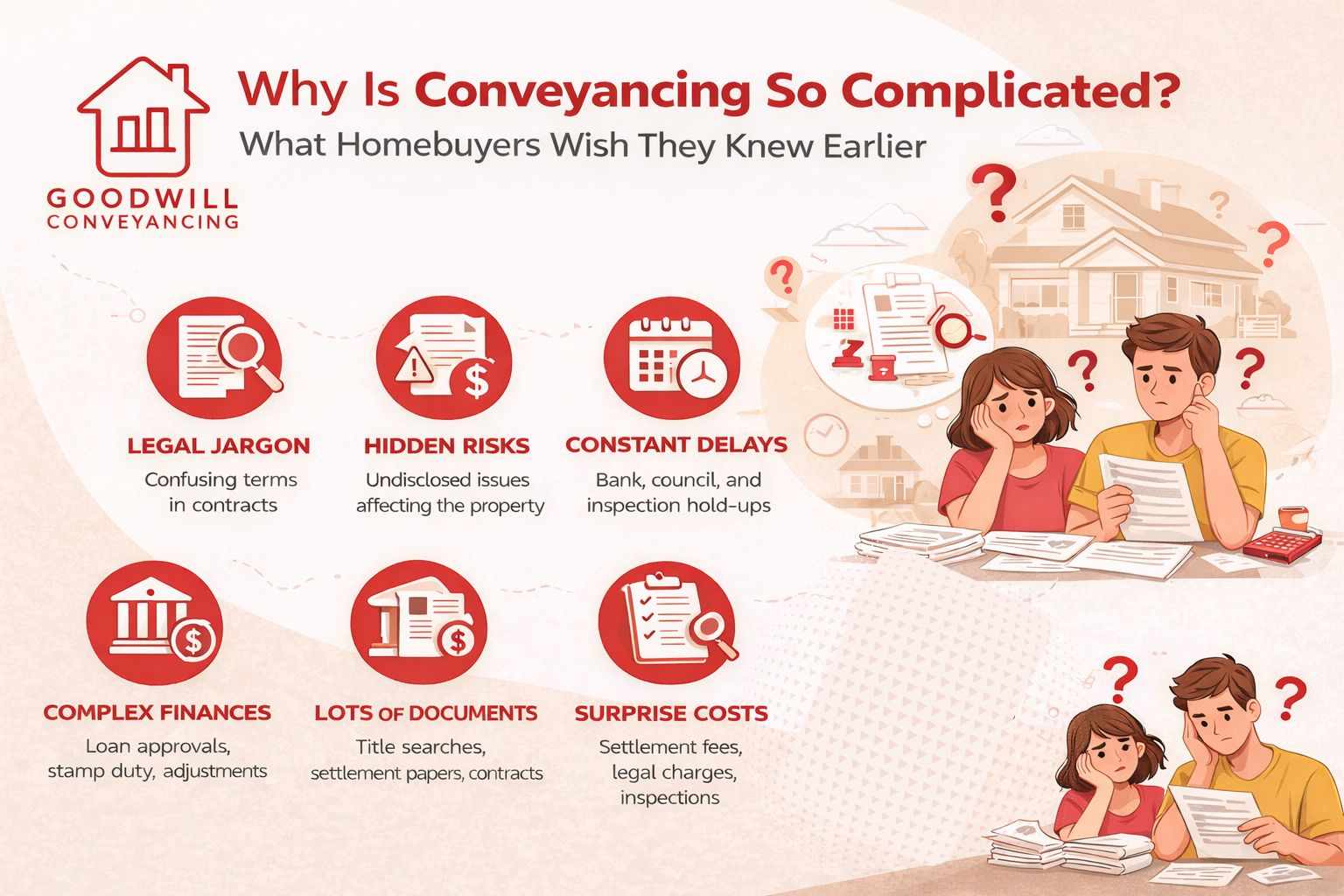
Buying or selling a home is exciting—but it can also feel overwhelming. From the moment you think about signing a contract to the day you pick up the keys, there are countless legal and financial details to handle. Most people don’t realize just how complex property law is until they’re faced with stacks of paperwork, strict deadlines, and unfamiliar terms. That’s why having a professional by your side matters.
When you work with a conveyancer in Melbourne, you’re not just hiring someone to shuffle papers. You’re choosing a trained expert who knows the ins and outs of property law, who spots risks you might miss, and who ensures everything runs smoothly behind the scenes. Whether you’re buying your first home, upgrading to a bigger place, or selling an investment property, a conveyancer takes the stress off your shoulders and gives you confidence that nothing will slip through the cracks.
Now let’s explore eight powerful ways a conveyancer simplifies property transactions, making the process easier, safer, and far less stressful.
1. Conducting Thorough Property Searches
One of the biggest risks in property transactions is buying something you don’t fully understand. What if the property has unpaid council rates? What if it’s sitting on land that has zoning restrictions? Or worse, what if someone else has a claim to it?
A conveyancer digs deep into property records to uncover the truth. They check the certificate of title to confirm ownership, look for mortgages or caveats on the property, and examine council records for outstanding rates. They can even check if the property is affected by easements, heritage overlays, or future road projects.
By running these searches, a conveyancer ensures you don’t walk into hidden problems. Imagine buying a house only to discover later that the land is zoned for industrial use—it would completely change the value and your plans. Property searches prevent surprises and protect your investment from the start.
2. Preparing and Reviewing Legal Documents
Property transactions are built on legal documents, and they’re not written in plain English. Contracts of sale, vendor’s statements, mortgage documents, and transfer of land forms are full of technical language that can be hard to follow. One missed clause or misunderstood condition could cost you thousands of dollars.
A conveyancer reviews these documents line by line. They explain terms in simple words, highlight anything unusual, and make sure your rights are protected. For example, if a seller tries to include a clause that makes you responsible for repairs before settlement, a conveyancer will catch it and negotiate fairer terms.
They also prepare documents on your behalf. This might include drafting conditions for your purchase, preparing the transfer of ownership, or ensuring disclosure requirements are properly met when you’re selling. Having a professional handle these documents means fewer errors, no missed signatures, and no nasty surprises after you’ve committed.
3. Managing the Financial Side of the Deal
Money in property transactions is rarely as simple as paying the price tag. There are stamp duties, adjustments for council rates, water usage charges, and sometimes even land tax to be factored in. If you’re buying, you’ll need to know exactly how much to pay and when. If you’re selling, you’ll want to ensure you’re not covering costs that aren’t yours.
A conveyancer does all the calculations for you. They prepare settlement statements, double-check payment figures, and liaise with banks to make sure funds are ready on time. On settlement day, they manage the actual transfer of money so it goes to the right place—no errors, no delays.
This financial management also prevents disputes. Buyers and sellers often disagree about who should pay for certain charges if it’s not clearly outlined. With a conveyancer, the adjustments are calculated fairly according to the law, giving both sides confidence that everything is handled correctly.
4. Coordinating the Entire Settlement Process
Settlement is the big day—the point where money changes hands, documents are signed, and ownership officially transfers. But it’s also the most stressful stage because it involves multiple parties: the buyer, the seller, the real estate agent, the banks, and sometimes lawyers. If even one person is late or unprepared, the whole process can collapse.
A conveyancer acts as the project manager for settlement. They confirm the settlement date, communicate with all parties involved, and ensure every requirement is met before the deadline. This might include making sure the bank is ready with funds, ensuring the transfer documents are correct, and checking that the seller has completed the agreed-upon repairs.
On settlement day itself, the conveyancer attends (often electronically through online systems) to make sure everything goes according to plan. They exchange the necessary documents, oversee the transfer of money, and ensure the title is legally transferred to the new owner. This level of coordination saves you from the stress of chasing people and ensures that nothing falls through at the last minute.
5. Reducing Legal and Financial Risks
Property law is full of details that can trip up anyone who isn’t familiar with it. From zoning restrictions to hidden caveats, there are countless ways a simple property deal can turn into a nightmare. The role of a conveyancer is to identify and manage these risks before they become serious problems.
For example, a conveyancer will check if the property is affected by easements—legal rights that might allow others to use part of the land. They’ll also confirm whether there are any mortgages or debts tied to the property that could delay settlement. By catching these issues early, a conveyancer saves you from buying into financial or legal trouble.
They also minimize financial risks. If you’re buying, a conveyancer ensures that deposits and settlement funds are handled securely. If you’re selling, they make sure you’re not left covering taxes or bills that aren’t your responsibility. In short, they’re your safety net—protecting both your money and your legal rights throughout the transaction.
6. Saving Time, Money, and Stress
Ask anyone who has tried to handle a property transaction on their own, and they’ll likely tell you the same thing—it’s overwhelming. Between reading contracts, contacting banks, and meeting deadlines, the process can eat up dozens of hours and cause serious stress.
A conveyancer saves you time by doing the heavy lifting. They know who to contact, what forms need to be submitted, and when deadlines must be met. Because they’ve done it many times before, they can complete tasks quickly and accurately—avoiding delays that a first-timer might face.
They also save money. Errors in contracts or delays in settlement can cost thousands in penalties, interest, or even lost deals. With a conveyancer, the chance of mistakes is greatly reduced. Their fees are small compared to the potential losses you might face without their help.
And of course, they save you stress. Instead of staying up at night worrying if you’ve filled out forms correctly or transferred money to the right place, you can relax knowing that a professional has it under control. Many clients describe their conveyancer as a calming presence during what would otherwise be a very stressful period.
7. Offering Clear Guidance and Communication
Legal terms in property contracts can sound like a foreign language. Phrases such as “tenants in common,” “caveat emptor,” or “restrictive covenant” can leave most people confused. Without proper understanding, you might agree to something that isn’t in your best interest.
A conveyancer bridges this gap by translating legal jargon into plain English. They explain what every term means, why it matters, and how it affects your rights. If something doesn’t seem fair, they’ll point it out and suggest ways to negotiate.
Good communication also means you always know where you stand. Instead of being left in the dark, you’ll receive updates about timelines, settlement readiness, and any issues that arise. This guidance gives you confidence to make smart decisions at every stage of the property transaction.
8. Providing Peace of Mind Through Expertise
Buying or selling property is often one of the biggest financial decisions you’ll ever make. With so much at stake, peace of mind is priceless. A conveyancer brings years of training, experience, and real-world knowledge to the table. They know what can go wrong and how to prevent it.
Because they’ve handled hundreds of transactions, they can anticipate potential issues and deal with them before they escalate. That means fewer surprises, smoother progress, and more confidence for you. Their expertise acts like a safety shield, protecting you from legal mistakes, financial pitfalls, and unnecessary stress.
At the end of the day, a conveyancer isn’t just a professional—they’re a partner who ensures your property journey is smooth, secure, and successful.
Case Study: How a Conveyancer Saved a Family from Hidden Risks
The Johnson family was excited to buy their first home. They found a property they loved, signed a contract, and were ready to move forward. But before settlement, their conveyancer uncovered a serious issue.
During property searches, the conveyancer discovered that the land had an easement giving the local council rights to dig for sewer maintenance. This meant the Johnsons couldn’t build the backyard extension they had been planning. Without this discovery, the family might have invested thousands in renovation plans they could never complete.
The conveyancer quickly advised them of their options, helped negotiate changes to the contract, and ensured the Johnsons made an informed choice before proceeding. Thanks to this support, the family avoided a costly mistake and found a better property that truly suited their needs.
This real-life example highlights the value of having a professional who digs deeper, identifies risks, and safeguards your interests.
Frequently Asked Questions (FAQs)
1. What does a conveyancer actually do in a property transaction?
A conveyancer handles all the legal, financial, and administrative tasks in buying or selling property. They conduct searches, review documents, calculate payments, and manage settlements.
2. Can I do my own conveyancing?
Yes, but it’s risky. Property law is complex, and one mistake can cause major financial or legal trouble. Most people choose a licensed conveyancer for peace of mind.
3. How much does a conveyancer cost?
Fees vary depending on the property and the complexity of the deal. While it may feel like an extra expense, their expertise often saves you money by avoiding penalties or disputes.
4. What’s the difference between a conveyancer and a solicitor?
A conveyancer specializes in property transactions, while a solicitor has broader legal training. For standard property sales or purchases, a conveyancer is usually sufficient and more cost-effective.
5. When should I hire a conveyancer?
Ideally, before you sign a contract. Engaging one early allows them to review documents, highlight risks, and provide guidance before you’re legally bound.
Conclusion
Property transactions are exciting, but they can also be full of stress, risk, and confusion. From the first property search to the final settlement, there are countless opportunities for mistakes that could cost you dearly.
By hiring a conveyancer in Melbourne, you gain a trusted professional who simplifies the process, protects your interests, and gives you peace of mind. Whether it’s reviewing contracts, calculating finances, managing settlements, or explaining tricky terms, their expertise saves time, reduces stress, and ensures everything goes smoothly.
In short, a conveyancer doesn’t just handle paperwork—they make one of life’s biggest financial decisions easier, safer, and far more rewarding.





Write a comment ...